As we move into 2026, the Maltese property market continues to be shaped by government initiatives aimed at affordability, heritage preservation, and sustainability. For buyers, sellers, and families planning their estates, understanding these fiscal changes is essential for a successful transaction.
Below is a comprehensive breakdown of the key measures now in effect following the Budget 2026 announcements and how they may influence your next move.
Empowering First-Time Buyers: Permanent Support
The Government has shifted from annual renewals to permanent legislation for first-time buyer incentives, providing long-term certainty for those entering the market.
- The €10,000 Grant: The popular scheme offering a €1,000 annual grant for ten years is now a permanent fixture. It is available to eligible first-time buyers who take out a home loan for their primary residence.
- Expanded Eligibility: In a significant update, individuals who previously purchased non-residential property (such as a garage or agricultural field) still qualify as "First-Time Buyers" when purchasing their first residential home.
- Deposit Assistance: The property value cap for the 10% Deposit Assistance Scheme has been raised from €225,000 to €250,000, helping more buyers overcome the initial hurdle of a down payment.
- Equity Sharing: The age of eligibility for the Equity Sharing Scheme has been lowered to 25 years, with separated individuals now able to purchase homes valued up to €350,000.
Fairer Inheritance Tax (Causa Mortis)
Succession planning is a vital part of protecting family wealth. The latest budget measures offer substantial relief for heirs inheriting their primary residence.
- Doubled Threshold: The preferential 3.5% stamp duty rate on Causa Mortis transfers now applies to the first €400,000 of the property’s value (previously €200,000).
- Impact: This change can result in significant tax savings for families, ensuring that the family home remains accessible to the next generation without an overwhelming tax burden.
Incentives for UCA and Traditional Properties
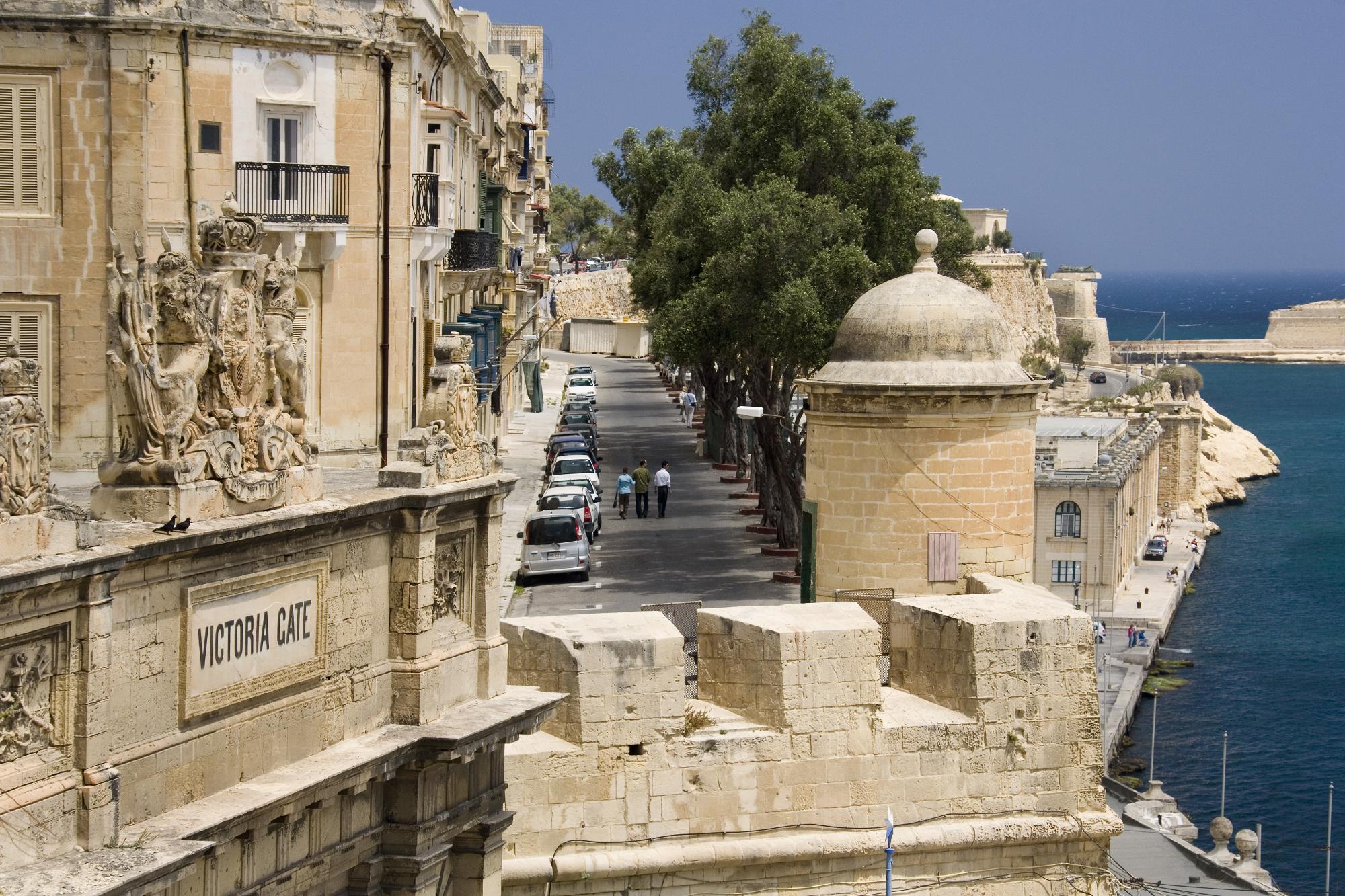
Malta continues to prioritize the restoration of its architectural heritage. Financial incentives remain strong for properties in Urban Conservation Areas (UCAs) and older vacant homes.
- Tax Exemptions: Buyers and sellers of properties built over 20 years ago (vacant for 7+ years) or located in a UCA pay zero capital gains tax and zero stamp duty on the first €750,000 of the price.
- Restoration Grants: First-time buyers of these qualifying properties can receive a grant of €15,000 in Malta or €40,000 in Gozo.
- VAT Refunds: Owners can claim VAT refunds of up to €54,000 on qualifying renovation and restoration costs.
Sustainability and Market Transparency
The 2026 outlook emphasizes "Green" property and better data for consumers.
- Sustainable Property Grants: Under the "Ixtri Proprjetà Sostenibbli" scheme, grants ranging from €4,500 to €9,000 are available for homes that meet high energy-efficiency or "Net Zero" standards.
- Property Price Register: To increase transparency, a new public register will provide access to actual transaction data, helping both notaries and clients determine fair market values based on real data rather than asking prices.
How We Can Help
Navigating budget measures requires expert legal guidance to ensure you meet all eligibility criteria and maximise your tax benefits. Whether you are signing a Konvenju (Preliminary Agreement), drafting a Will, or applying for UCA status, our office provides the impartial, professional oversight needed for a secure transaction.
Planning a property transaction in 2026? Contact our team today to ensure your interests are protected under the latest Maltese laws.